
Eng: ROMEO: Good morrow, father.
FRIAR LAURENCE: Benedicite!
What early tongue so sweet saluteth me? (...)
Therefore thy earliness doth me assure
Thou art uprous'd by some distemp'rature;
Or if not so, then here I hit it right:
Our Romeo hath not been in bed tonight.
ROMEO: That last is true; the sweeter rest was mine.
FRIAR LAURENCE: God pardon sin! Wast thou with Rosaline?
ROMEO: With Rosaline, my ghostly father? No;
I have forgot that name, and that name's woe.
* * *
Sv: ROMEO: God morgon, fader!
LORENZO: Herrens frid med dig!
Vad tidig tunga hör jag hälsa mig? (...)
Du kommer tidigt; någon oros plåga
Har satt ditt blod i sjuklig upprorslåga,
Så tror jag, - nej, nu har jag saken fatt:
Ej Romeo har gått till sängs i natt.
ROMEO: Nej, större vilofröjder voro mina.
LORENZO: Förbjude Gud! Du var hos Rosalina?
ROMEO: Hos Rosalina, fader? Nej, mitt hjärta
Har glömt det namnet och det namnets smärta.

Eng: ROMEO: Then plainly know my heart's dear love is set
On the fair daughter of rich Capulet:
As mine on hers, so hers is set on mine;
And all combin'd, save what thou must combine
By holy marriage. When and where and how
We met, we woo'd, and made exchange of vow,
I'll tell thee as we pass; but this I pray,
That thou consent to marry us today.
* * *
Sv: ROMEO: Så vet, jag fäst en kärlek utan like
Vid dottern av grev Capulet, den rike.
Hon älskar mig så högt som henne jag:
Det felas blott, att, himlen till behag,
Du sammanviger oss. Var, hur och när
Hon blev för mig och jag för henne kär,
Det skall jag ej för dig, min far, förtiga;
Blott lova mig att än i dag oss viga.
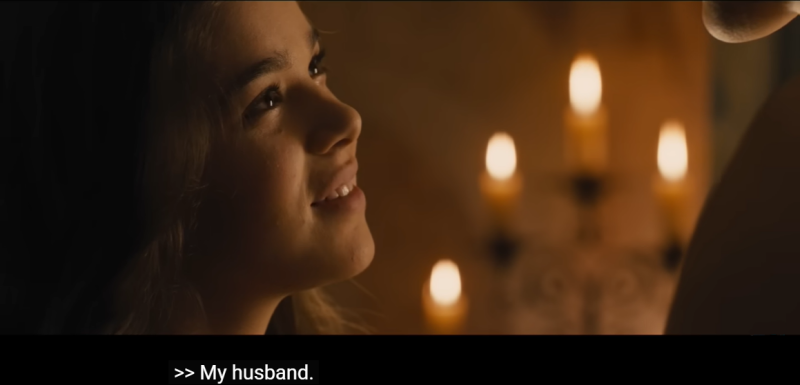
Eng: FRIAR LAURENCE:
Holy Saint Francis! what a change is here!
Is Rosaline, whom thou didst love so dear,
So soon forsaken? Young men's love then lies
Not truly in their hearts, but in their eyes.
Jesu Maria, what a deal of brine
Hath wash'd thy sallow cheeks for Rosaline!
How much salt water thrown away in waste,
To season love, that of it doth not taste!
The sun not yet thy sighs from heaven clears,
Thy old groans ring yet in mine ancient ears;
Lo, here upon thy cheek the stain doth sit
Of an old tear that is not wash'd off yet.
If e'er thou wast thyself and these woes thine,
Thou and these woes were all for Rosaline:
And art thou chang'd? Pronounce this sentence then—
Women may fall, when there's no strength in men.
ROMEO:
Thou chid'st me oft for loving Rosaline.
FRIAR LAURENCE:
For doting, not for loving, pupil mine.
ROMEO:
And bad'st me bury love.
FRIAR LAURENCE:
Not in a grave,
To lay one in, another out to have.
ROMEO:
I pray thee, chide not; she whom I love now
Doth grace for grace and love for love allow;
The other did not so.
* * *
Sv: LORENZO: O, sankt Franciskus! Vilket flyktigt sinne!
Är Rosalina redan ur ditt minne,
Hon, som du älskat så? Bor kärlek, varm,
I ynglings öga, ej i ynglings barm?
Ack, Jesus! Vilket hav din kind begjutit
Av tårar, som för Rosalina flutit!
Vad salta böljor du som krydda göt
På denna kärlek, som du se'n ej njöt.
Än solen skyms av dina suckars dimma;
Din klagans ljud än i mitt öra stimma,
Och se, din kind ju ännu bär ett spår
Från fordom av en utplånad tår.
När du var du och dina plågor dina,
Du och din plåga var för Rosalina;
Är nu det slut? – Nå, kvinnan falla må,
Då mannens tro ej bättre kan bestå.
ROMEO: Du bannat förr min eld för Rosalina.
LORENZO: Din kärlek ej, men kärleks yra pina.
ROMEO: Du bjöd mig ofta denna elden släcka.
LORENZO: Men icke för att annan låga väcka.
ROMEO: Ack, bannas ej! Min nya älskarinna
Ger gunst för gunst, och hon som jag kan brinna;
Den forna icke så.

Eng: NURSE:
Though his face be better than any man's, yet his leg excels all men's; and for a hand, and a foot, and a body, though they be not to be talked on, yet they are past compare. He is not the flower of courtesy, but, I'll warrant him, as gentle as a lamb. Go thy ways, wench; serve God. What, have you dined at home?
...
My young lady bade me inquire you out; what she bade me say, I will keep to myself. But first let me tell ye, if ye should lead her into a fool's paradise, as they say, it were a very gross kind of behaviour, as they say: for the gentlewoman is young; and therefore, if you should deal double with her, truly it were an ill thing to be offered to any gentlewoman, and very weak dealing.
ROMEO:
Nurse, commend me to thy lady and mistress. I protest unto thee—
NURSE:
Good heart, and, i' faith, I will tell her as much. Lord, Lord, she will be a joyful woman.
* * *
Sv: AMMAN: Det skall Gud veta, att jag är så förargad, att jag skälver i var eviga lem. Den otäcke karltampen! – Min bäste herre, ett ord! – Och, som jag sa' er nyss, min unga fröken har befallt mig söka upp er; vad hon bett mig säga, vill jag behålla för mig själv. Men först låt mig säga er, att, om ni tänker draga henne vid näsan, som man säger, så vore det ett mycket fult drag av er, som man säger, ty fröken är ung, och om ni skulle vilja öva falskhet emot henne, så vore det mycket oartigt gjort emot en fröken och mycket gement till på köpet.
ROMEO: Kära amma, hälsa din fröken! – Jag bedyrar, –
AMMAN: Ni hjärtans själ! Ja sannerligen, det skall jag säga henne alltihop. Herre jemine, vad hon skall bli glad!

Eng: ROMEO:
What wilt thou tell her, nurse? Thou dost not mark me.
NURSE:
I will tell her, sir, that you do protest; which, as I take it, is a gentlemanlike offer.
ROMEO:
Bid her devise
Some means to come to shrift this afternoon;
And there she shall at Friar Laurence' cell
Be shriv'd and married. Here is for thy pains.
NURSE:
No truly, sir; not a penny.
ROMEO:
Go to; I say you shall.
NURSE:
This afternoon, sir? Well, she shall be there.
ROMEO:
And stay, good nurse, behind the abbey wall:
Within this hour my man shall be with thee,
And bring thee cords made like a tackled stair;
Which to the high top-gallant of my joy
Must be my convoy in the secret night.
Farewell; be trusty, and I'll quit thy pains.
Farewell; commend me to thy mistress.
NURSE:
Now God in heaven bless thee! Hark you, sir.
ROMEO:
What say'st thou, my dear nurse?
NURSE:
Is your man secret? Did you ne'er hear say,
"Two may keep counsel, putting one away"?
ROMEO:
I warrant thee, my man's as true as steel.
* * *
Sv: ROMEO: Men vad skall du säga henne, kära amma? Du låter mig ju
inte tala till punkt.
AMMAN: Jo, jag skall säga henne att ni bedyrar; och det är ett ganska
anständigt tillbud av en kavaljer, tycker jag.
ROMEO: Bed henne söka något skäl att komma
Till bikt i afton i Lorenzos cell;
Se'n där hon biktat, skall vid mig hon vigas. –
Se där för ditt besvär!
AMMAN: Nej, min herre, icke ett runstycke.
ROMEO: Se så, du måste.
AMMAN: I afton, bäste herre? – Hon skall komma.
ROMEO: Dröj bakom klostermuren, goda amma;
Inom en timme min betjänt skall bära
En stege till dig, knuten utav tåg;
På den jag skall i tysta natten äntra
Till högsta toppen av lycksalighet.
Farväl, var trogen, och du skall belönas.
Farväl! Min hälsning till din härskarinna.
AMMAN: Nå, Gud välsigne dig! – Men hör, min herre!
ROMEO: Vad har du mer att säga, goda amma?
AMMAN: Kan er betjänt väl tiga? Ty ni vet:
»Tre tiga sällan med en hemlighet«.
ROMEO: Ja, lita på, han trogen är som stål.

Eng: CAPULET:
God's bread! it makes me mad: day, night, late, early,
At home, abroad, alone, in company,
Waking, or sleeping, still my care hath been
To have her match'd: and having now provided
A gentleman of noble parentage,
Of fair demesnes, youthful, and nobly train'd,
Stuff'd, as they say, with honourable parts,
Proportion'd as one's heart could wish a man;
And then to have a wretched puling fool,
A whining mammet, in her fortune's tender,
To answer, "I'll not wed; I cannot love,
I am too young; I pray you, pardon me!"
But, an you will not wed, I'll pardon you:
Graze where you will, you shall not house with me:
Look to't, think on't, I do not use to jest.
Thursday is near; lay hand on heart, advise:
An you be mine, I'll give you to my friend;
An you be not, hang, beg, starve, die in the streets,
For, by my soul, I'll ne'er acknowledge thee,
Nor what is mine shall never do thee good:
Trust to't, bethink you; I'll not be forsworn.
* * *
Sv: CAPULET: Guds blod! Jag kan bli galen. Dag och natt
Och sent och bitti’, hemma, borta, ensam,
I sällskap, vaken eller sovande
Jag grubblat på att skaffa henne man.
Och när jag nu har letat upp en sådan
Av furstlig börd, med vackra gods och gårdar,
Ung, ädelt fostrad, och, som folket säger,
Ett gott parti på alla sätt och vis –
Då har jag här ett stackars gråtmilt våp,
En pjunkig docka, som, då lyckan kommer
Och ler mot henne, ger ett sådant svar:
»Jag vill ej giftas än – jag kan ej älska,
Jag är för ung – jag ber, förlåt, förlåt mig!«
Nå, vill du ej, så må du bli förlåten:
Tag hus, varhelst du vill, men ej hos mig!
Se upp, pass på! Jag brukar icke skämta.
Torsdagen stundar; lägg din hand på hjärtat
Och tänk dig före. Är du min, så vet,
Jag ger dig åt min vän; är du det icke,
Så gå och tigg och svält och dö på gatan.
Ty jag vill aldrig mera kännas vid dig,
Och du skall aldrig få en fyrk i arv.
Betänk dig väl; jag håller, vad jag lovat.
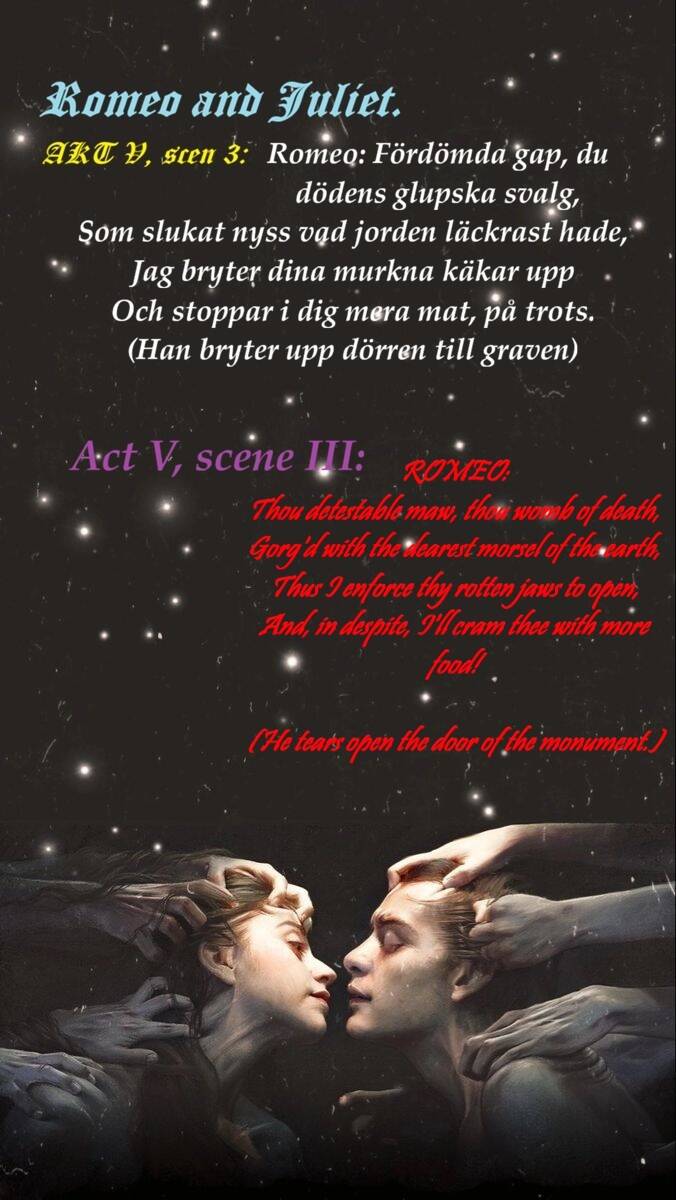
Eng: CAPULET:
All things that we ordained festival
Turn from their office to black funeral:
Our instruments to melancholy bells,
Our wedding cheer to a sad burial feast;
Our solemn hymns to sullen dirges change;
Our bridal flowers serve for a buried corse;
And all things change them to the contrary.
FRIAR LAURENCE:
Sir, go you in; and, madam, go with him;
And go, Sir Paris; every one prepare
To follow this fair corse unto her grave.
The heavens do lour upon you for some ill;
Move them no more by crossing their high will.
* * *
Sv: CAPULET: Allt vad vi ordnat för en glädjens fest
Förvandlas nu i sorgens svarta ståt:
Vårt strängaspel till klockors dova ringning,
Vårt bröllopsbord till dystert gravölsgille,
Vår jubelsång till hemska klagopsalmer,
Och brudens krona till en krans på kistan.
Allt, allt förvandlas till sin motsats nu.
LORENZO: Gå, ädle herre! – Min grevinna, gå!
Ni ock, greve Paris! Alla sig berede
Att följa detta sköna lik till graven. –
Ni himlens vrede väckt med syndigt dåd,
Försonen den med lydnad för hans råd!
W. Shakespeare, Romeo and Juliet (1595)
Valerian
How I wish more people knew about valerian's healing effects. Every person should have this at home, and you should take it several times a week when you feel sad. It's very normal. Necessary. This is the chemistry behind valerian herbal remedies:
Vad jag önskar att fler kända till valerianas läkande effekter. Denna borde varje person ha hemma, och man bör inta flera gånger i veckan när man känner sig ledsen. Det är mycket normalt. Nödvändigt. Det här är kemin bakom valeriana naturläkemedel:
╔════════════════╗
Summer post -25: Valerian
╚════════════════╝
Partially reposted.
Welcome to reading about alternative medicine (or, I can only wish, another braingasm?). Valerian contains many different chemical compounds that interact and provide a sense of calm and tranquility to the person. Valeric acid/pentanoic acid, C4H9COOH, is one of them. It is a carboxylic acid where the backbone is 5 carbon atoms long. This does not occur in a cyclic variant, as the entire carboxyl group, -COOH, also needs to fit. For a cyclic variation, the backbone should preferably be at least 6 carbon atoms long. The carboxyl group is a functional group (a set of connected atoms that gives a molecule its properties) that is useful when, for example, amides or esters are to be formed. First, you have some amine, such as methylamine (CH3NH2) or dimethylamine ((CH3)2NH), and both can form an amide in the next step when the hydrogens on the nitrogen, N, react with a carboxylic acid, for example. The remainder is usually denoted as 'R', and the reaction is: R-COOH + (CH3)2NH → R-CON(CH3)2 + H2O.
Above we thus got an amide ("R" is not defined) and water. How is the carboxyl group useful when esters are to be formed, e.g., ethyl acetate? CH3COOH + C2H5OH ⇄ (H2SO4) → CH3COOCH2CH3 + H2O. So, in this reaction, sulfuric acid was used as a catalyst (accelerating agent). It is diprotic and releases hydrogen ions, H^+, in two steps, and the mechanism for this from this strong acid, which can dissolve, for example, base metals, is that first a proton is transferred to the oxygen in the carbonyl group, C=O. And now the carbonyl oxygen forms an oxonium ion, C=OH^+, and the double bond in the carbonyl group, C=O, is significantly weakened. Now the carbonyl carbon is more susceptible to a nucleophilic attack. Alcohol is a nucleophile (nucleus lover attracted to positive charge) because it seeks a place where it can donate its electrons. Thus, one gets the functional group for esters, -COO-R, and something else that characterizes esters is a very fruity scent.
However, valerian is not characterized by a good scent until it has been mixed with alcohol and become a favored ester. It can then be used in, for example, perfume. Insects in the wild use esters of valerian that are produced in glands, and females release scent particles known as pheromones. For example, a male moth's challenge is to successfully follow the scent detected by its antennae, in hopes of finding a female and mating with her. Methyl pentanoate, CH3OCO(CH2)4CH3, is part of the pheromones, and how to get this: CH3(CH2)3COOH + CH3OH (methanol) → CH3(CH2)3COOCH3 (methylpentanoate ester) + H2O. Very small amounts of different alcohols are produced in insects to enable them to get the necessary pheromones. Methanol resembles ordinary alcohol in smell and taste, but is lethally toxic. Your blood pH level becomes dangerously low (metabolic acidosis, acidic) due to newly formed formic acid, HCOOH.
Your treatment will then include intravenously administering ethanol so that the enzyme alcohol dehydrogenase, which acts in the liver, preferentially breaks down ethanol rather than methanol. But now we will talk about rancid fats. There we find the unprocessed form of valeric acid. There is a breakdown of lipids (fats and fat-like molecules). Soap molecules, for example, are fatty acids, where there is a round hydrophilic 'head', which contains the carboxyl group, COOH. The head is water-loving because -COO^- can form ion-dipole bonds. with the water, and there is a strong bond where the water is the dipole (has a positive and negative end) and where the carboxylate ion, -COO^-, is the ion, and then there is attraction. The carbon chain, on the other hand, is straight and hides as soon as it can inside grease spots that need to be removed, and the more you wash, the more fat/soil is surrounded, and eventually "lifted" away from the garment you are washing. Like dissolves like when it comes to fat. There are 2 non-polar (without charges) carbon chains involved in both cases.
The whole disappears with the rinse water. But how are 2 carbon chains attracted to each other so that it happens? In fact, there are ways for this phenomenon where like attracts like! Van der Waals, for example, when two n-alkanes, with different numbers of carbons in the skeleton, experience temporary dipole-dipole forces. The electron clouds of both are then temporarily unevenly distributed/are condensed, and the positive and negative halves are suddenly attracted by a weak electric force → Van der Waals. The more such interactions occur (the longer the chains are), the harder they are bound to each other. However, the stable dipole-dipole interaction cannot occur because hydrocarbon chains are nonpolar (there is no permanent charge displacement). When two carbon chains 'dissolve into each other', they also cannot do this with hydrogen bonds. n-alkanes consist only of (C) and (H). Oxygen, nitrogen, or fluorine are needed for hydrogen bonds. These intermolecular forces (between molecules) exist in, for example, water → free e^- on (O) attract (H) further away.
And so a brief explanation about a reaction concerning lipids (e.g., protection against cold, many hormones, vitamins, etc.). Plant oils, such as olive oil or rapeseed oil, are so fluid because there are bends in the carbon chain that arose due to the "missing hydrogens" on the carbon chain. Therefore, we find double bonds and bends at those spots instead. Molecules cannot be packed as tightly then, and the result is fluidity. Through fat hardening, new hydrogens (H) are added, so that the oil does not react with the environment as easily anymore, and therefore stays fresh longer (and is harder). Now we hopefully know more about lipids/fat molecules. But we can also look at the reaction that produces a short-chain fatty acid, Isovaleriansyra (an isomer (another variant) of valeric acid) CH3-CH(CH3)-CH2-COOH + other products. To obtain this, one must first have Leucine (an amino acid) C6H13NO2 + bacteria, inside cheese à which gives the smell of Emmental cheese! It is largely a simple compound.
The smell of Emmental cheese can also be found in the night moth due to the presence of isovaleric acid. This mentioned acid, as well as, for example, valepotriates and valeric acid contribute to various chemical processes so that higher levels of GABA (gamma-aminobutyric acid) effectively remain in the brain and induce relaxation, resulting in a healthier individual. Since valepotriates can in some cases alkylate DNA (where a hydrocarbon group is chemically attached), aren’t concentrated tablets preferable? Perhaps, for example, calming valerian tea is best. One should also vary a bit with other natural remedies. GABA, which is so important, resembles an amino acid in structure (binding to both an amino group -NH2, and a carboxyl group -COOH), and can be purchased individually in powder form (to mix in water), with the purpose of, for example, curing depression. It is hyperactivity that decreases with valerian, in the area between nerve cells --> thus in the synapse. At the same time, GABA's effect is enhanced.
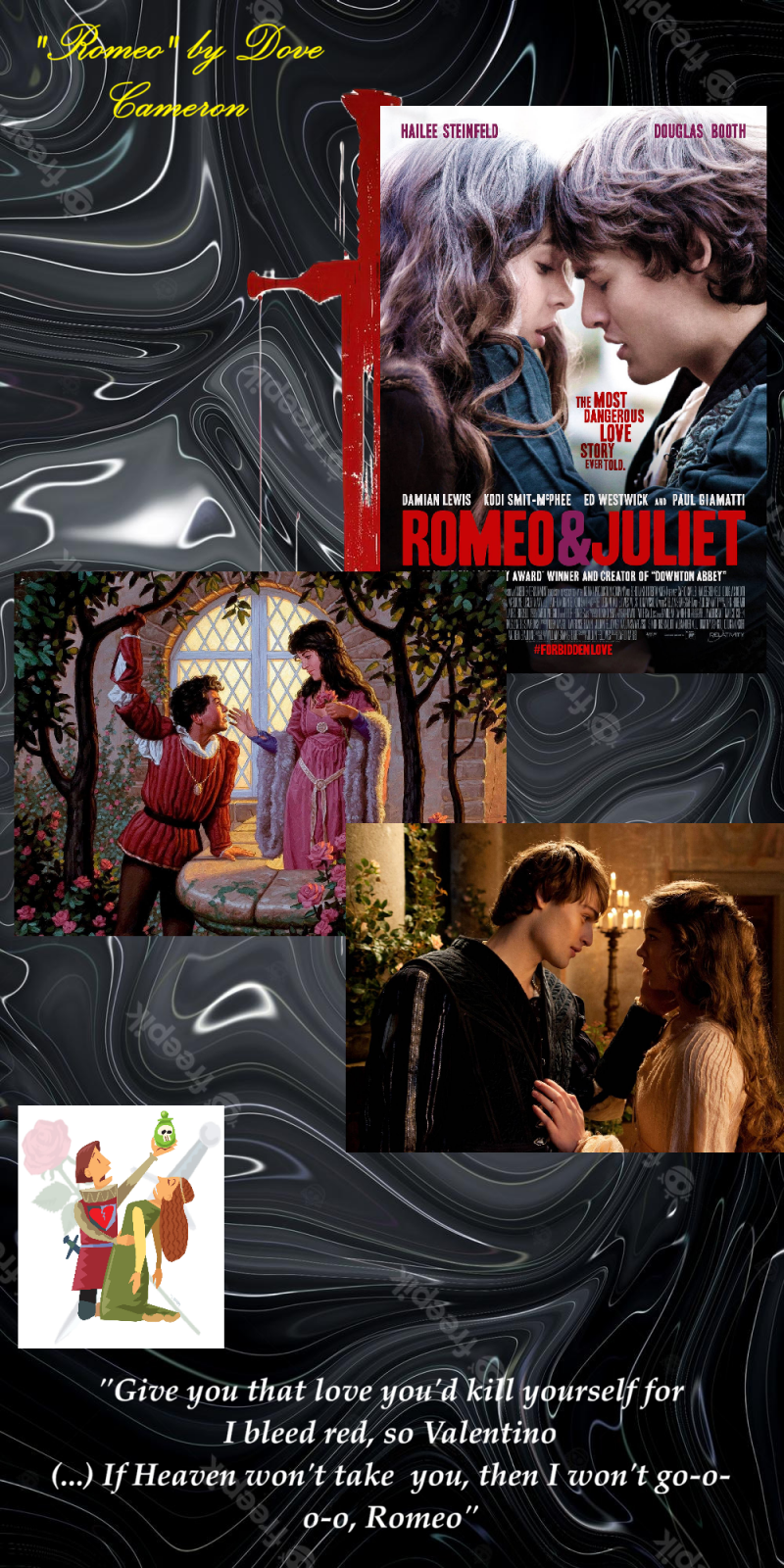



The Dead Dance: https://www.youtube.com/watch?v=xGaZBfJOyAc
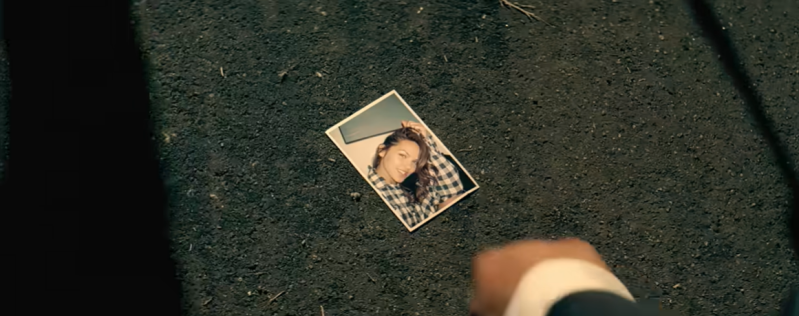
COLLOIDAL SILVER, and my dating-life
This is a shorter bonus post. I have a mom who secretly thinks chemistry is a super interesting subject, and that my blog would be much better if only a few specific things were removed. She really wants to be involved and keep influencing the blog. According to her wishes, I will write about colloidal silver today!
About my Chinese boyfriend... It ended on his initiative, even though he was unclear, it felt that way. And I didn’t do much, didn’t say much, if he didn’t want to continue. He was sad because we wrote very little to each other (it costs a fortune). And I myself was silly once, but I had apologized for that quite a while ago. But we concluded that it would be best if we stopped writing. We didn’t even part as enemies.
I cried myself to sleep that night and told myself that I would die alone. The next day I joined kamrat.com with the nickname KanDuInteGissa. 24 hours after the breakup I had found a new, completely wonderful guy, a socially creative man who is a chemist and has studied pharmacy at Uppsala University. He has also tried to do a PhD in chemistry but hasn't been accepted yet. He is almost 7 years younger than me and is funny and interesting. I'm very in love. I'm going to meet him for the first time on the morning of June 20. I must be God’s favorite child, this isn’t normal...
* * *
Sv: Det här är ett kortare bonus-inlägg. Jag har en mamma som i smyg tycker att kemi är ett super-intressant ämne, och att min blogg vore mycket bra om bara vissa enstaka saker hade tagits bort. Hon vill jättegärna vara med och fortsätta påverka bloggen. Enligt hennes önskemål kommer jag att skriva om kolloidalt silver idag!
Angående min kinesiska pojkvän... Det har tagit slut på hans initiativ, även om han var otydlig, så kändes det så. Och jag gjorde inte så mycket, sa inte så mycket, om han inte ville fortsätta. Han var ledsen för att vi skrev extremt lite med varandra (det kostar skjortan). Och jag själv har varit dum vid ett tillfälle, men jag hade sagt förlåt för ett bra tag sedan. Men vi kom fram till att det blir bäst om vi inte skriver mera. Vi skiljdes inte ens åt som ovänner.
Jag grät mig till sömns under den natten och sa till mig själv att jag kommer att dö ensam. Nästa dag blev jag medlem på kamrat.com med nickname KanDuInteGissa. 24 timmar efter uppbrottet hade jag hittat en ny helt underbar kille, en social kreativ man som är kemist, och har gått apotekarprogrammet på Uppsala Universitet. Han har även försökt att doktorera i kemi men har hittils inte blivit antagen. Han är nästan 7 år yngre än mig och rolig och intressant. Jag är väldigt kär. Ska träffa honom för första gången 20:e juni på morgon. Jag är nog Guds favoritbarn, det här är inte normalt...
Eng: Colloidal silver.
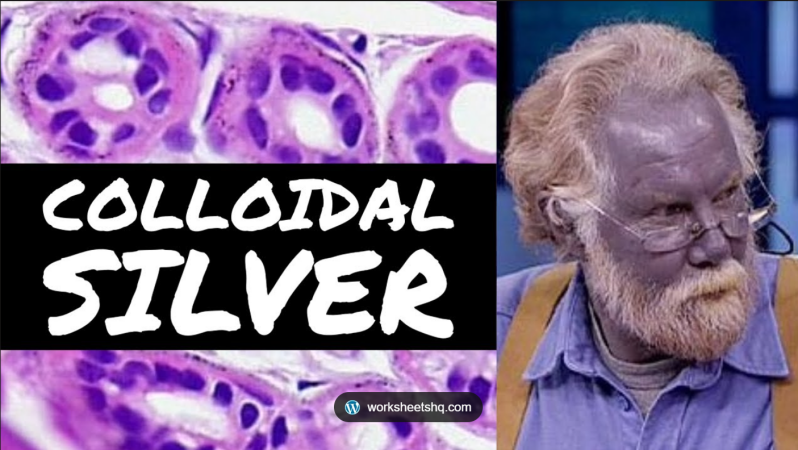
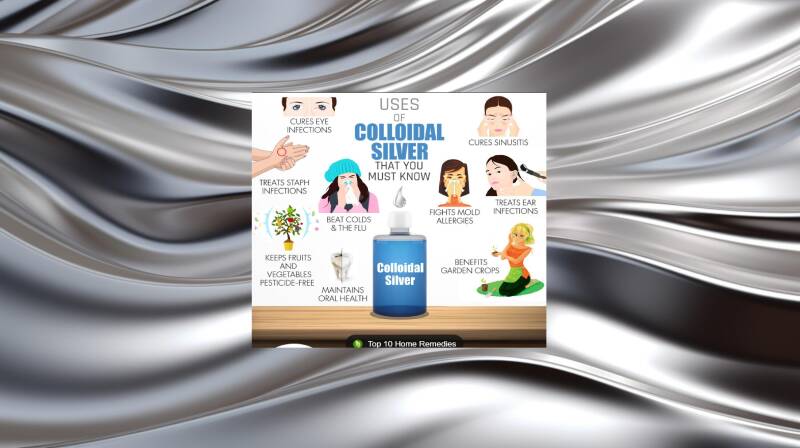
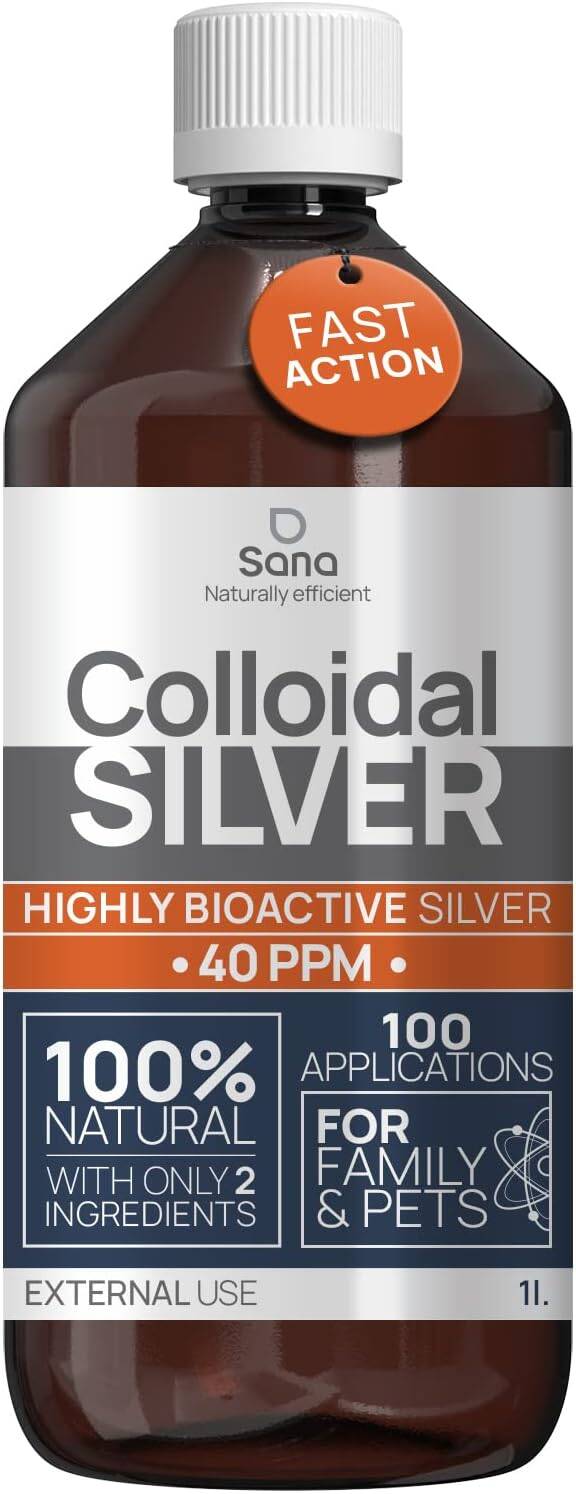
There are two different kinds of liquids that are called colloidal silver. Variant 1 contains silver nanoparticles, and the other liquid contains silver ions, Ag⁺. Often, products on the market consist of a mixture of both. Silver has antibacterial properties, and there is some scientific evidence that colloidal silver can treat, for example, infections, inflammations, and viral diseases. What happens is that silver ions interact with the bacteria's proteins, meaning they work by deactivating enzymes (proteins) that are important for the bacteria's survival. The binding of metal ions damages, for example, the bacteria's cell membrane, and the bacteria dies. Several metals have these properties on bacteria that silver has.
This oligodynamic (Ancient Greek; oligo=few/small amount, dynamis=power, effect) effect is also seen with, for example, copper ions, Cu^+ or Cu^2+, and gold ions, Au^+ or Au^3+. You can find copper surfaces in hospitals (like door handles) to limit the number of bacteria that can form. You might also get the recommendation to rub a gold ring over a small inflammation called a stye (usually on the eyelid). This is an old home remedy that has sometimes been explained by the oligodynamic effect, meaning that metal ions can inhibit the growth of microorganisms.
Through 4 different ways, silver can stop bacterial growth both inside and outside the body, despite the low concentration: 1 part per million (this is called high microbicidal capacity, meaning strong bacteria-killing effect). Many advocates believe that colloidal silver should be used externally, and many hospitals use, for example, silver-containing wound dressings with strong antimicrobial effects. What happens is that the microbe's cell membrane becomes destabilized when silver ions bind to sulfur-containing groups in membrane proteins. The silver ions (Ag⁺) then bind to sulfur atoms in the thiol groups (-SH) of proteins. This changes the structure and function of the proteins, which damages the bacterial cell membrane and can lead to the bacterium's death. Silver ions, however, act on multiple fronts at the same time.
The biologically active ionic form (which metallic silver in the same bottle can also turn into over time, as silver nanoparticles gradually oxidize if they come into contact with water and oxygen; Ag^0 --> Ag^+ + e^-) has a strong affinity for sulfur-containing groups. This is because, according to HSAB theory, soft acids prefer to bind with soft bases (e.g., thiol group (-SH) and thioether group in methionine). So it's not the only thing that happens—the bacterial cell membrane gets damaged too. The ions also bind to proteins and enzymes inside the bacterium and disrupt its metabolism, causing its death, when they bind to functional groups in proteins, mainly sulfur in the thiol group of cysteine residues (rather than phosphate groups, though that occurs too). Binding to cysteine is the most important (the thiol group is -SH and R is the side chain): R-S^- + Ag^+ --> R-S-Ag. Methionine's side chain, -CH2-CH2-S-CH3, is probably the second most relevant in this context.
Lewis acids and Lewis bases are the perspective in chemistry that focuses on ionic reactions and electron pair donation, etc., since not all reactions can be modeled with the most common Arrhenius or Brønsted-Lowry acid-base chemistry. With the Lewis model, you look at the Lewis acid as being electrophilic (lover of e^-) and a Lewis base as nucleophilic (from the Latin nucleus). Soft acids like Ag^+ are characterized by high polarizability, because the Ag^+ electron cloud can be deformed when interacting with a Lewis base. The Lewis acid Ag^+ also has a low charge density since the ion radius is larger with only a +1 charge. The charge density is much higher in a small magnesium ion, Mg^2+, and the charge density is extremely high in an aluminum ion, Al^3+. The latter two are hard Lewis acids according to HSAB theory. They have low polarizability (their electron clouds deform very little) in contact with a Lewis base and less covalent character.
The HSAB theory is basically about how soft Lewis acids prefer to bind to soft Lewis bases, while hard Lewis acids prefer to bind to hard Lewis bases. The theory is used, for example, to predict which bonds will be the most stable. If you have a colloidal solution, it’s not the liquid itself that’s classified as soft or hard, but the particles in it. By the way, a colloidal solution is a mixture where the dispersed (finely divided) particles are between 1–1000 nm in size, like milk, fog, and colloidal silver. If the particles are smaller than this, and are individual molecules or ions, it’s classified as a solution (like sodium chloride in water). If the particle size exceeds 1000 nm, it’s classified as a suspension, and the particles will settle (sediment).
The other three ways to stop bacterial growth are silver's interaction with the bacteria's DNA, where silver ions can bind to DNA and disrupt DNA replication and cell division (inhibiting reproduction). The second-to-last way is 'inhibition of metabolic pathways,' where silver ions can inhibit key enzymes by binding to their functional groups. This disrupts the bacteria's metabolism and energy production.
The fourth way is that silver ions can contribute to the formation of reactive oxygen species (ROS), which cause oxidative stress and damage DNA, proteins, and lipids (fats) in the bacteria. When the fats are damaged, lipid peroxidation occurs: LH + ⋅OH --> L⋅ + H2O, where LH is an unsaturated lipid (fat with one or more double bonds, C=C), ⋅OH is a hydroxyl radical (oxygen atom, hydrogen atom, and an unpaired electron, so an unstable free radical) and L⋅ is a lipid radical (a lipid molecule that has lost a hydrogen and therefore has an unpaired e^-). This triggers a chain reaction because the ROS can initiate a process where an attacked fatty acid turns into a lipid radical. New radicals are formed sequentially and attack more fatty acids, causing the damage to spread quickly through the cell membrane. All 4 ways happen both internally and externally, but the concentrations inside the body when using colloidal silver are usually not high enough.
The body's fluids containing, for example, Cl^-, sulfur-containing molecules, and protein can attract and bind silver ions, which means that not all intake will reach the bacteria. It's also easy for silver to accumulate in the skin tissues and form poorly soluble silver compounds. These darken when exposed to light, similar to photographic film. This is how argyria occurs. Many different silver compounds (e.g., silver chloride) together contribute to argyria, and the classic photochemical reaction also happens in the skin, but it's not the main one: 2AgCl(s) --> light --> 2Ag(s) + Cl2(g). Silver accumulations can affect the absorption of other drugs, but not much. You should also always read the instructions and not use the product internally if it's meant only for external use.
Thanks for making it all the way to the end! ❤️ I really hope you found this interesting and maybe learned something new. And yes... I realize now that the post turned out a bit longer than planned. 😅
* * *
Sv: Kolloidalt silver.
Det finns två olika sorters vätskor som kallas för kolloidalt silver. Variant 1 innehåller silvriga nanopartiklar, och den andra vätskan innehåller silverjoner, Ag⁺. Ofta består produkterna på marknaden av en blandning av båda. Silver har antibakteriella egenskaper, och det finns ett visst vetenskapligt stöd att kolloidalt silver behandlar t.ex. infektioner, inflammationer och virussjukdomar. Det som händer är att silverjoner interagerar med bakteriernas proteiner, alltså verkar de genom att deaktivera enzymer (proteiner) som är viktiga för bakteriernas överlevnad. Bindningen av metalljoner skadar t.ex. bakteriernas cellmembran, och bakterien dör. Flera metaller har dessa egenskaper på bakterier som silver har.
Denna oligodynamiska (forngrekiska; oligo=få/liten mängd, dynamis=kraft, verkan) -effekt finns även hos t.ex. kopparjoner, Cu^+ eller Cu^2+ , och guldjoner, Au^+ eller Au^3+ . Kopparytor kan man hitta på sjukhus (t.ex. handtagen), för att mindre antal bakterier ska kunna bildas. Man kan även få rekommendationen att stryka en guldring över en liten inflammation som kallas vagel (oftast på ögonlocket). Detta är en gammal huskur som ibland har förklarats med den oligodynamiska effekten, det vill säga att metalljoner kan hämma tillväxten av mikroorganismer.
Genom 4 olika sätt kan silvret stoppa den bakteriella tillväxten på både insidan och utsidan av kroppen, trots den låga koncentrationen; 1 del på miljonen (detta kallas för hög mikrobicid kapacitet (stark mikrobdödande effekt)). Många förespråkare anser att kolloidalt silver bör användas utvärtes, och många sjukhus använder exempelvis silverhaltiga sårförband med stark antimikrobiell effekt. Det som händer är att cellmembranet hos mikroberna destabiliseras när silverjoner binder till svavelhaltiga grupper i membranproteiner. Silverjonerna (Ag⁺) binder då till svavelatomer i tiolgrupper (-SH) hos proteiner. Detta förändrar proteinernas struktur och funktion, vilket skadar bakteriens cellmembran och kan leda till att bakterien dör. Silverjoner verkar dock på flera fronter samtidigt.
Den biologiskt aktiva jonformen (som även metalliskt silver i samma flaska kan bli till över tid, då silvernanopartiklar oxideras gradvis, ifall de kommer i kontakt med vatten och syre; Ag^0 --> Ag^+ + e^-) har en stark affinitet/dragning mot svavelhaltiga grupper. Detta för att enligt HSAB-teorin så binder mjuka syror helst med mjuka baser (t.ex. tiolgrupp (-SH) och tioetergruppen i metionin). Så det är inte det enda som händer att cellmembranet på bakterien skadas. Jonerna binder även till proteiner och enzymer inuti bakterien och stör bakteriens ämnesomsättning och orsakar dennas död, när de binder till funktionella grupper i proteiner, framför allt svavel i tiolgruppen hos cysteinrester (hellre än med fosfatgrupperna, även om detta händer också). Bindning till cystein är viktigast (Tiol-gruppen är -SH och R är sidokedja): R-S^- + Ag^+ --> R-S-Ag. Metionins sidokedja, -CH2-CH2-S-CH3 är antagligen på andra plats mest relevant i sammanhanget.
Lewis-syror och Lewis-baser är det perspektivet i kemi som fokuserar på joniska reaktioner och elektronparsdonation m.m., då inte alla reaktioner kan modelleras med vanligaste Arrhenius eller Bronsted-Lowry syrabaskemi. Med Lewismodellen tittar man på Lewis-syran som är elektrofil (älskare av e^-) och på en Lewis-bas som är nukleofil (från latinets nucleus). Mjuka syror som Ag^+, kännetecknas av hög polariserbarhet, för att Ag^+ elektronmoln kan deformeras vid interaktion med en Lewis-bas. Lewis-syran Ag^+ har även låg laddningstäthet, eftersom jonradien är större på bara +1 laddning. Laddningstätheten är mycket högre hos en liten magnesiumjon, Mg^2+ , och laddningstätheten är extremt hög hos en aluminiumjon, Al^3+. De två sistnämnda är två hårda Lewis-syror enligt HSAB-teorin. De har låg polariserbarhet (elektronmolnen deformeras lite) i kontakt med en Lewis-bas, och mindre kovalent karaktär.
HSAB-teorin handlar kort om att mjuka Lewis-syror binder helst till mjuka Lewis-baser, medan hårda Lewis-syror binder helst till hårda Lewis-baser. Teorin används för att t.ex. förutsäga vilka bindningar som blir mest stabila. Om man har en kolloidal lösning så är det inte vätskan som klassificieras som mjuk eller hård, utan partiklarna i denna. En kolloidal lösning är för övrigt en blandning där de dispergerade (finfördelade) partiklarna är mellan 1-1000 nm i storlek, t.ex. mjölk, dimma och kolloidalt silver. Om partiklarna är mindre än detta, och är enskilda molekyler eller joner, så klassificeras det som en lösning (t.ex. natriumklorid i vatten). Om partiklarnas storlek överstiger 1000 nm så klassificeras den som en suspension, och partiklarna kommer att sjunka (sedimentera).
De tre andra sätten att stoppa den bakteriella tillväxten på är silvrets interaktion med bakteriens DNA, där silverjoner kan binda till DNA och störa DNA-replikationen och celldelningen (hämmar förökningen). Det näst sista sättet är “inhibition of metabolic pathways”, där silverjoner kan hämma viktiga enzymer genom att binda till deras funktionella grupper. Detta stör bakteriens ämnesomsättning och energiproduktion.
Det fjärde sättet är att silverjoner kan bidra till bildningen av reaktiva syreföreningar (ROS), vilka orsakar oxidativ stress och skadar DNA, proteiner och lipider (fetter) i bakterien. När fetterna skadas sker lipidperoxidation: LH + ⋅OH --> L⋅ + H2O, där LH är en omättad lipid (fett med en eller flera dubbelbindningar, C=C), ⋅OH är en hydroxylradikal (syreatom, väteatom och oparad elektron, alltså en instabil fri radikal) och L⋅ är en lipidradikal (en lipidmolekyl som har förlorat ett väte och därför fått en oparad e^-). Det sker en kedjereaktion p.g.a. det här, då ROS kan initiera en kedjereaktion där en angripen fettsyra omvandlas till en lipidradikal. Nya radikaler bildas successivt och angriper fler fettsyror, vilket gör att skadan snabbt sprids genom cellmembranet. Alla 4 sätten sker både invärtes och utvärtes, men koncentrationerna inuti kroppen vid användning av kolloidalt silver är för det mesta inte tillräckligt höga.
Kroppens vätskor som innehåller t.ex. Cl^-, svavelhaltiga molekyler och protein kan attrahera och binda silverjoner, vilket gör att allt intag kommer inte att nå bakterierna. Det är även lätt hänt att silver ansamlas i vävnader i huden och bildar svårlösliga silverföreningar. Dessa mörknar när de utsätts för ljus, ungefär som i fotografisk film. Det är så man får argyria. Det är många olika silverföreningar (t.ex. silverklorid) som tillsammans bidrar till argyria, och även den klassiska fotokemiska reaktionen sker i huden, men den är inte den huvudsakliga: 2AgCl(s) --> ljus --> 2Ag(s) + Cl2 (g). Ansamlingar av silver kan påverka upptaget av andra läkemedel, men inte mycket. Man ska även alltid läsa bruksanvisningen och inte använda produkten invärtes om denna endast är för utvärtes användning.
Tack för att ni orkade läsa ända hit! ❤️ Jag hoppas verkligen att ni fann det här intressant och kanske lärde er något nytt. Och ja... Jag inser nu att inlägget blev aningen längre än planerat. 😅



Sources:
https://www.organicfacts.net/colloidal-silver.html (2026-06-16)
https://chem.libretexts.org/Bookshelves/Physical_and_Theoretical_Chemistry_Textbook_Maps/Supplemental_Modules_%28Physical_and_Theoretical_Chemistry%29/Physical_Properties_of_Matter/Solutions_and_Mixtures/Colloid#:~:text=A%20colloid%20is%20one%20of%20the%20three%20primary,able%20to%20remain%20evenly%20distributed%20throughout%20the%20solution. (2026-06-16)
https://www.youtube.com/watch?v=NYDOZzpH99E&t=5s (2026-06-16)
https://www.researchgate.net/publication/338692845_Antibacterial_Activity_of_Colloidal_Silver_against_Gram-Negative_and_Gram-Positive_Bacteria (2026-06-17)
https://pmc.ncbi.nlm.nih.gov/articles/PMC2292600/?utm_source=chatgpt.com (2026-06-30)
https://imwechsel.com/sv/granslos-kemi/ (2026-07-01)
https://www.youtube.com/watch?v=u2Bd_U8YoO8 (2026-07-01)
https://www.studocu.com/sv/document/uppsala-universitet/allman-och-organisk-farmaceutisk-kemi/kemisk-bindning-och-lewisstrukturer-en-oversikt/142126706 (2026-07-01)
Add comment
Comments